Summary: Real-life example
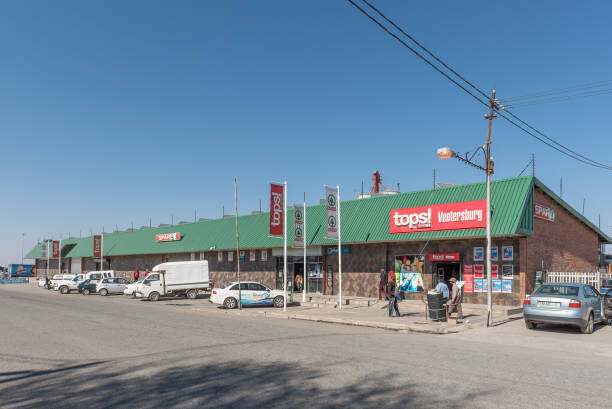
Strip centers —locally zoned properties with small entrepreneurial tenants—typically mom-and-pop businesses—offer a unique opportunity for strong cash flow when managed effectively. This promising investment option can be a beacon of hope for owners. Owners can obtain loans secured by their property, and private money lenders Play a crucial and reassuring role in capitalizing on the significant opportunity presented by nonconforming properties. Their involvement provides a sense of security, especially when institutional lenders hesitate to use the nonconforming.
Article:
Securing a loan-conforming property involves upfront costs, including an appraisal and a Phase 1 environmental site assessment. These reports, which determine the property’s value and identify potential risks, are not just expenses but crucial investments in a thorough, reliable assessment process. This process instills confidence in the investment, providing borrowers with a sense of security.
The borrowers may be concerned about the front-end expense, but they should consider the gas station across the street and the dry cleaner next door, both of which have been operating for 40 years.
If the appraisal comes back as expected and phase one is transparent, we can proceed with processing and closing the loan.
The Borrower must understand that a Phase II assessment and solid boring will be required if the Phase I assessment does not meet industry and lender requirements. This ensures the Borrower is fully informed and prepared for the process.
Classification of types of shopping centers:
https://www.icsc.com/uploads/research/general/US_CENTER_CLASSIFICATION.pdf
Borrower mortgage broker comments: Nonconforming properties are those that do not meet the current zoning regulations. This may be due to changes in zoning laws or the property’s use not aligning with current rules. In such cases, a mortgage broker can be crucial in helping the Borrower navigate the loan process. For instance, my client’s 12-unit retail neighborhood shopping center, which features all mom-and-pop tenants, is considered nonconforming. The center is slightly under-parked during peak traffic, and OneTenants is a sports bar licensed to serve food and alcohol. The bar is a popular local hangout. My client was unable to obtain a bank loan because institutional lenders deemed the property nonconforming under current zoning regulations, which can pose significant challenges for securing financing.
The experienced and prudent mortgage broker/lender responds:
Small neighborhood shopping centers historically began with local entrepreneurs who often started with a lease, but the lease frequently expired, transitioning to a month-to-month tenancy.
Is there a substantial vacancy as a percentage of the total units? Is it a consistent tenancy pattern with a reliable rental income cash flow? Is the car parking, which may include on-site and off-site spaces, adequate for rush hour? Are there professional service providers if the lender were to take the property back in foreclosure? Also, is the location a stable commercial area, with few risks of tenants being solicited away to newer, better-located commercial sites?
Small centers can often be upgraded and repositioned through a few physical changes, including resurfacing, sealing, patching potholes, striping the parking lot, repainting, reconfiguring the ingress/egress structure, and improving monument signage. Potholes, breakage, and collapse are common in older strip centers because water seeps into the pavement and sub-base from freezing and rain, creating cracks that wear away due to the weight of traffic. Ingress refers to the right to enter a property, while egress refers to the right to exit it correctly.
Upgrades and reconfiguration can be complex when considering the rights and agreements of adjacent properties and other business owners. The Borrower can obtain estimates for these improvements and include the costs in the loan. The lender may hold back the price of the upgrades and place the proceeds in a licensed construction fund control agent’s trust account. The fund control agent will disburse the proceeds upon completion of the work, the inspection, and the subcontractor’sconditional lien release. This process ensures that the funds are used for the intended purpose. The work is completed to the required standard before the total amount is released.
When underwritten correctly, small strip centers can be highly successful ventures. As a lender, a thorough review of the bank statements for both the ownership entity and the individual owner is crucial. This meticulous underwriting process provides robust security, instilling confidence in the venture’s potential and ensuring a sound investment.
If the property’s title is held in a limited liability company or a corporate entity, the lender may require the Borrower to sign a personal guarantee. A personal guarantee is a legal promise to repay a loan if the Borrower is unable to do so. If the business defaults on the loan and the lender completes foreclosure, the Borrower, in this case, the property owner, may be personally liable for repaying the remaining loan balance. In the event of default and completed foreclosure, the lender may sue for any deficiency under the personal guarantee. The deficiency is the difference between the amount owed on a loan and the amount the lender can recover after foreclosure or repossession of the collateral.