Summary:
National customs and practices, such as greeting rituals, religious ceremonies, and social norms, form into traditions over time and are often used interchangeably.
Yet, the intricate dance between these two, customs and traditions, is a subject of profound fascination and complexity, igniting curiosity and beckoning for deeper exploration.
Within the American Enterprise, customs and practices are often shaped by prefabricated and subversive activities, understood as those that subtly influence or alter individuals’ thought patterns. For instance, the use of certain symbols or slogans in advertising, the repetition of certain political narratives, or the normalization of certain behaviors through media can be seen as designed to modify individuals’ thought patterns.
In other words, propaganda, gaslighting, and redundancy are designed to change people’s thoughts, beliefs, and frames of reference.
This process forms people into a consensus, a collective agreement, on how and what they believe, often without them realizing the influence of these customs and traditions.
Article:
Why do people, governments, corporations, and institutions want to influence and modify our thinking?
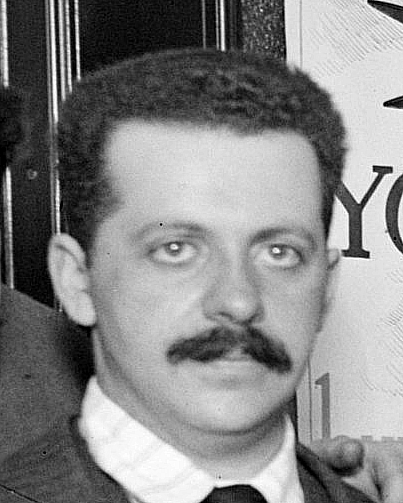
Why? Money, power, and influence. Hired specialists, such as Edward Bernays, were experts in subversion aimed at modifying people’s thinking.
‘Culture’ refers to our entire way of life, which has been formed over time and encompasses our language, beliefs, family formations, customs, traditions, art, and social institutions, among other aspects.
Distinct, identifiable, cohesive groups split off or are imported from foreign lands, forming separate cultures.
Some cultures are able and willing to integrate, and some are not.
Why is this important? Customs, whether manufactured, imposed, or habitual, can evolve into traditions over time, revealing the dynamic and ever-changing nature of culture. The transformative power of customs evolving into traditions is a fascinating aspect of cultural studies, illuminating the fluidity and adaptability of human societies.
When passed down through generations, traditions can become deeply ingrained in our culture, shaping our habits and identity, and connecting us to our past and community.
Thus, culture is not a transient phenomenon but a testament to the enduring nature of human society. It offers reassurance about our shared History and interconnectedness, reminding us that our cultural heritage is a thread that binds us to our past and to one another.
It is disheartening to think that some forces, such as the marketing expert Edward Bernays, not only influenced but also created our habits and traditions to generate profits for themselves and their paid clients.
Bernays, often regarded as the father of public relations and propaganda, used his influence to shapeothers habits and traditions for financial gain. For example, he was instrumental in popularizing the idea that women should smoke cigarettes, a campaign that significantly increased cigarette sales.
This is just one example of how individuals can have a profound Impact on our culture, leaving a lasting influence on our habits and traditions.
https://www.forbes.com/councils/forbesagencycouncil/2024/05/23/the-right-lessons-to-learn-about-pr-from-edward-bernays/
https://www.apa.org/monitor/2009/12/consumer
https://theconversation.com/the-manipulation-of-the-american-mind-edward-bernays-and-the-birth-of-public-relations-44393
https://www.historytoday.com/miscellanies/original-influencer
https://www.britannica.com/biography/Edward-Bernays
We are responsible for critically examining how and for what purpose our culture was formed and modified. This empowerment stems from the understanding that someone is always trying to benefit from paradigm shifts. By critically examining our culture, we can gain a deeper understanding of its origins and influences.